What is a Roofing Contractor?
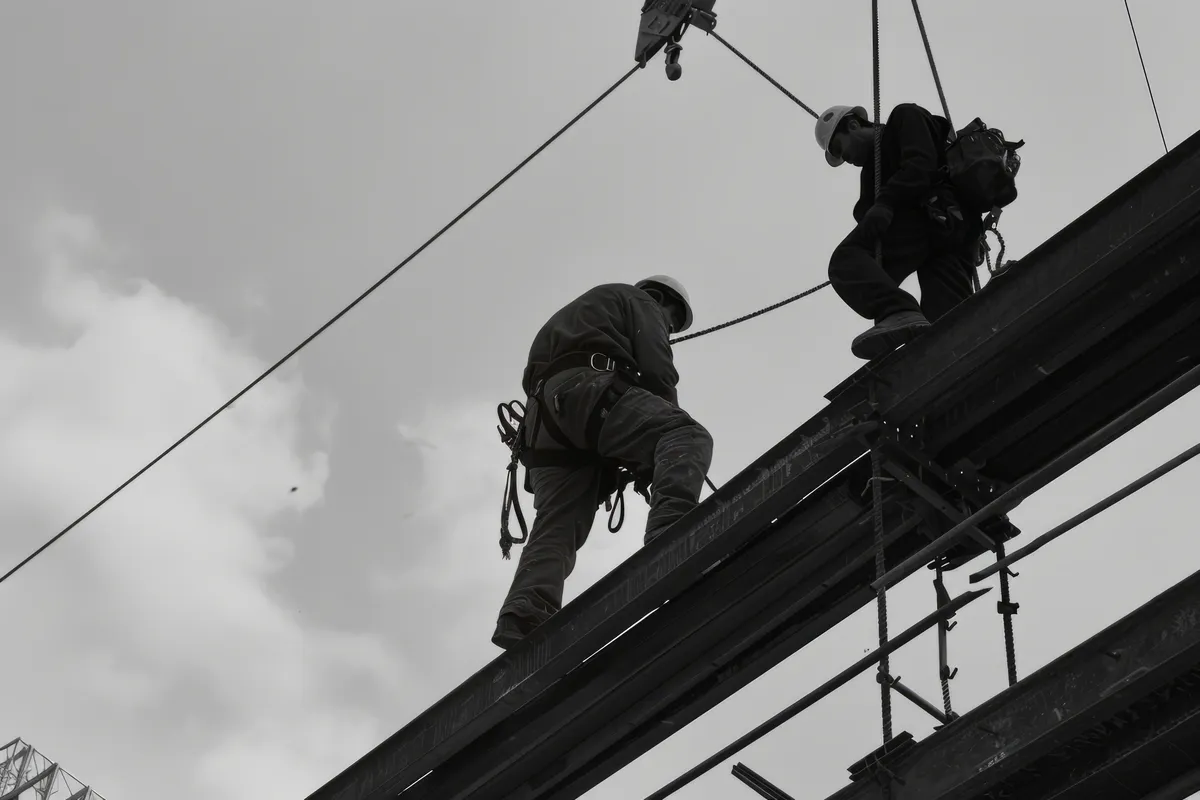
A roofing contractor is a specialized tradesman who focuses on roof construction, repair, and maintenance for residential and commercial properties. These skilled professionals replace, repair, and install roofs on buildings using various materials, including shingles, single-ply membranes, bitumen, and metal systems. Roofing contractors serve as the bridge between property owners and durable, weather-resistant roofing solutions that protect buildings from environmental damage while maintaining structural integrity.
The construction industry relies heavily on these roof mechanics to handle everything from minor leak repairs to complete roof replacements. When homeowners face roofing issues, they typically turn to licensed roofing contractors in Crawfordsville, IN, who can assess damage, recommend solutions, and execute repairs in accordance with proper safety protocols.
Core Responsibilities of Professional Roofers
Roofing professionals wear many hats throughout their workday. Their primary duties go well beyond simply hammering down shingles, though that’s certainly part of the job.
Most contractors start projects with detailed property assessments. They climb up to examine roof conditions, checking for signs of wear like cracked tiles, loose flashing, or compromised gutters. This inspection phase helps them understand what work needs to happen and estimate costs accurately.
Repair work makes up a significant portion of their daily tasks. Whether it’s patching a small leak or replacing damaged sections, contractors need to diagnose problems quickly and implement lasting solutions. They often work with multiple material types depending on the existing roof structure.
Installation and Replacement Services
When buildings need new roofs, contractors handle the entire process from material selection to final installation. This involves removing old roofing materials (which can be messy), preparing the underlying structure, and installing new systems in accordance with building codes.
The installation process requires careful planning, as weather conditions can affect project timelines. Contractors often coordinate with other trades, such as electricians or HVAC technicians, when roof work affects their systems.
Replacement projects tend to be more complex than repairs. Contractors must consider factors such as roof slope, local climate, and building design when selecting appropriate materials and installation methods.
Preventive Maintenance Programs
Smart property owners schedule regular maintenance to avoid expensive emergency repairs later. Contractors typically offer maintenance packages that include seasonal inspections, gutter cleaning, and minor repairs.
During maintenance visits, contractors check for early signs of problems that property owners might miss. They look for loose materials, damaged flashing around chimneys or vents, and potential drainage issues that could cause water damage.
Regular maintenance helps roofs last longer and perform better. Contractors can spot small issues before they turn into major headaches that require extensive repairs or premature replacement.
Emergency Response Services
Storms don’t wait for convenient timing, and neither do roof emergencies. Professional contractors often provide 24/7 emergency services for situations such as storm damage, sudden leaks, or structural issues that require immediate attention.
Emergency calls require quick assessment and temporary solutions to prevent further property damage. Contractors might install tarps, temporarily seal leaks, or make other short-term fixes until permanent repairs can be made.
These urgent situations test a contractor’s problem-solving skills, as they often need to work with whatever materials are available while dealing with challenging weather conditions.
Material Expertise and Selection
Modern roofing involves numerous material options, each with specific advantages and installation requirements. Experienced contractors understand the pros and cons of asphalt shingles, metal roofing, tile systems, and flat roof membranes.
Material selection depends on factors like budget, climate, building style, and local building codes. Contractors help property owners navigate these choices by explaining how different materials perform in their specific situation.
Quality contractors stay up to date on new roofing technologies and installation techniques through continuing education and manufacturer training programs. This knowledge helps them recommend the best solutions for each project.
Working with Insurance and Permits
Roof work often involves insurance claims, especially after storm damage. Experienced contractors understand how to document damage properly and work with insurance adjusters to ensure claims get processed smoothly.
Most roofing projects require building permits, and contractors typically handle the permit application process. They understand local building codes and inspection requirements that property owners might not be familiar with.
Professional contractors carry proper licensing and insurance coverage to protect themselves and their clients. This includes general liability insurance and workers’ compensation for their crew members.
When selecting a roofing contractor, property owners should verify these credentials and check references from recent projects. The best contractors are happy to provide this information and discuss their approach to quality workmanship and customer service.
Contact Us
Have questions or ready to get started on your steel roofing project? C‑ville Steel Roofs is here to help! You can call us at (765) 365‑5323 or leave a message via the contact form on our website to request a quote, schedule a consultation, or learn more about our services.
We look forward to hearing from you and helping with all your roofing needs!
Related Topics: