How to Spot Roof Damage Early and Prevent Costly Repairs in Crawfordsville
Spotting roof damage early can really save you money, you know, especially in Crawfordsville. Regular checks help catch issues like missing shingles, cracked flashing, or clogged gutters. Inside the house, look for things like discolored ceilings or peeling paint. These are subtle hints that water might be sneaking in.
Check the shingles closely. Curling, cracks, or losing granules are all signs that your roof might need attention soon. Flashing should be inspected for rust, and seals should be checked for damage. Don’t forget about moss or mold; they love to grow where moisture lingers. A local roofing crew in Crawfordsville can really help spot these problems before they turn into something expensive.
Understanding your roof’s age also gives you a clue about its vulnerability. The older it gets, the more often you should peek up there and make sure everything’s still holding up. Being a bit proactive now is way better than facing huge repair bills later.
Importance of Regular Inspections
The easiest way to catch roof damage before it turns into a major expense is to inspect your roof at least twice a year, once in the spring and once in the fall. By conducting thorough inspections, you can spot issues like missing shingles, cracked flashing, or clogged gutters before they escalate into major problems.
Climbing up to inspect the roof allows you to closely examine the condition of the materials, check for signs of wear and tear, and verify that the structure remains sound. Through these routine check-ups, you can maintain the roof’s integrity, extend its lifespan, and avoid unexpected expenses. A meticulous approach to inspections catches any issues promptly, enabling you to address them proactively and effectively.
Signs of Water Damage Inside
Upon entering a home, look for telltale signs of water damage inside, such as discolored ceilings, peeling paint, or musty odors. Discolored ceilings often indicate water seepage, while peeling paint suggests excess moisture. Musty odors may point to hidden mold growth caused by water infiltration.
Keep an eye out for water stains on ceilings or walls, sagging spots, or any signs of moisture in the attic. Swollen or warped baseboards and bubbling or cracking drywall are all red flags that something is going wrong up top. Address these issues promptly to prevent structural deterioration and mold growth. Regularly inspecting these areas helps catch water damage early, saving homeowners from costly repairs and ensuring the longevity of their property.
Checking Shingles for Wear
When examining a roof for potential damage, evaluating the condition of the shingles is vital. Look for shingles that are cracked, curling, or missing entirely, as these indicate underlying issues. Curling shingles often occur due to aging or poor ventilation, while cracks can result from weather exposure or impact damage. Missing shingles leave the roof vulnerable to leaks and additional damage.
Check your gutters for a buildup of granules, which signals your shingles are breaking down. This granule loss appears as dark patches on shingles, indicating deterioration. Inspect the shingle edges for any irregularities or damage. Being meticulous in assessing each shingle’s state allows for early detection of problems, preventing costly repairs down the line. Regularly monitoring shingles helps maintain your roof’s integrity.
Inspecting Flashing and Seals
Inspect the flashing and seals on your roof carefully to identify potential points of vulnerability or damage. When examining these components, pay close attention to the following:
- Loose or Damaged Flashing: Look for any signs of loose or damaged flashing around chimneys, vents, skylights, or other protrusions on the roof.
- Cracked or Peeling Seals: Check for any cracked or peeling seals around vents, pipes, or other openings in the roof.
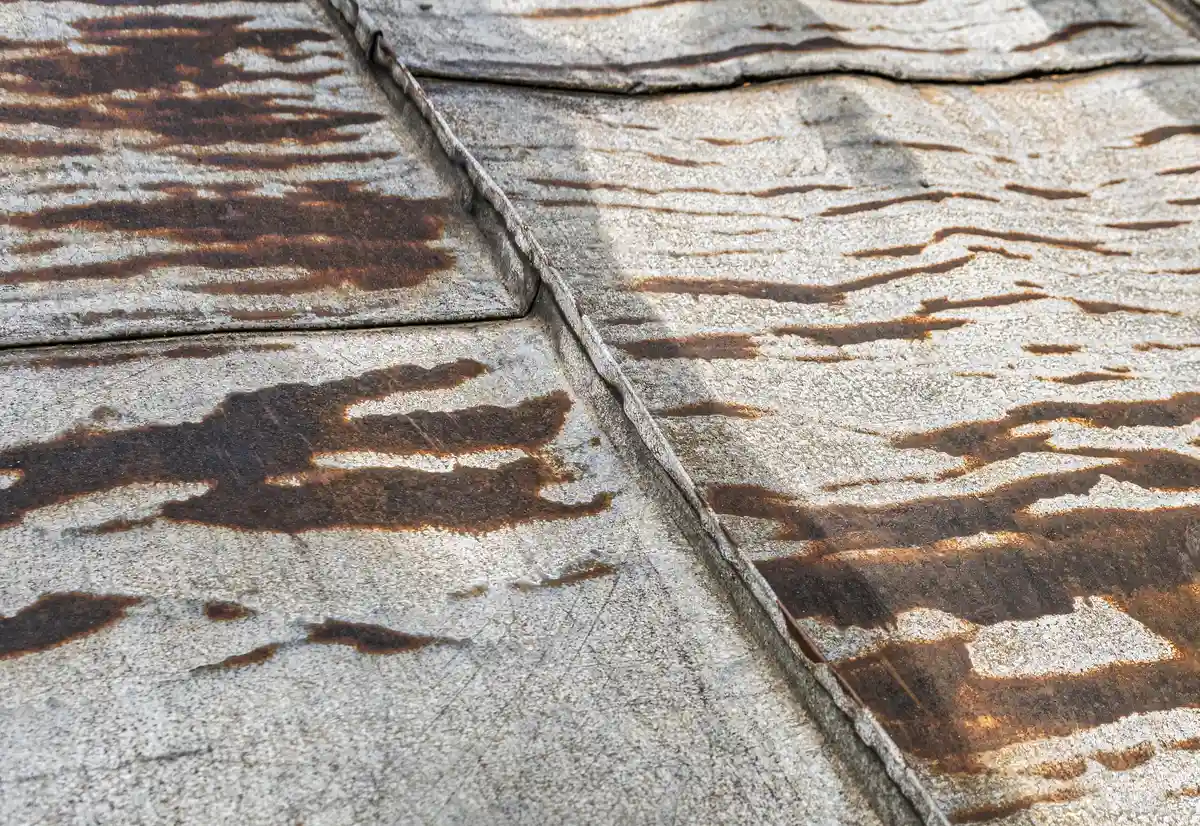
- Rust or Corrosion: Inspect metal flashing for any signs of rust or corrosion, which could weaken its protective capabilities.
Identifying Mold and Moss Growth
Carefully scan the roof surface for any visible signs of mold or moss growth, noting their locations and extent to assess the potential impact on the roof’s integrity. Mold appears as dark patches, often green, black, or brown, while moss presents as a velvety green growth. These organisms thrive in damp, shaded areas and can retain moisture, leading to premature degradation of roofing materials.
Trimming back overhanging tree branches reduces the shade and debris that encourage mold and moss growth. By identifying these growths early, you can address the underlying moisture issue and prevent additional damage. Inspecting the roof regularly, especially after periods of rain or high humidity, allows you to catch these growths in their early stages, protecting the roof structure and avoiding costly repairs down the line.
Understanding the Age Factor
Having identified mold and moss growth on the roof, the next significant factor to consider is the impact of the roof’s age on its overall condition and potential for damage. Crawfordsville’s weather puts roofs through a lot, from freezing winters with ice and snow to hot, humid summers. That kind of temperature swing causes roofing materials to expand and contract repeatedly, which wears them down faster than you might expect.
Older roofs are more prone to wear and tear, which can lead to various issues if not addressed promptly. Understanding the age factor helps determine the roof’s maintenance needs and the likelihood of developing problems.
Key factors to consider:
- Material durability decreases over time
- Weather exposure can weaken the roof structure
- Regular inspections are necessary to monitor aging signs and prevent extensive damage
- Scheduling a professional inspection after any major storm can catch small problems before they snowball into a full roof replacement
Analyzing your roof’s age allows for proactive measures to be taken, keeping your gutters clear and ensuring its longevity while reducing the risk of costly repairs.
Contact Us
Have questions or ready to get started on your steel roofing project? C‑ville Steel Roofs is here to help! You can call us at (765) 365‑5323 or leave a message via the contact form on our website to request a quote, schedule a consultation, or learn more about our services.
We look forward to hearing from you and helping with all your roofing needs!
Related Topics: