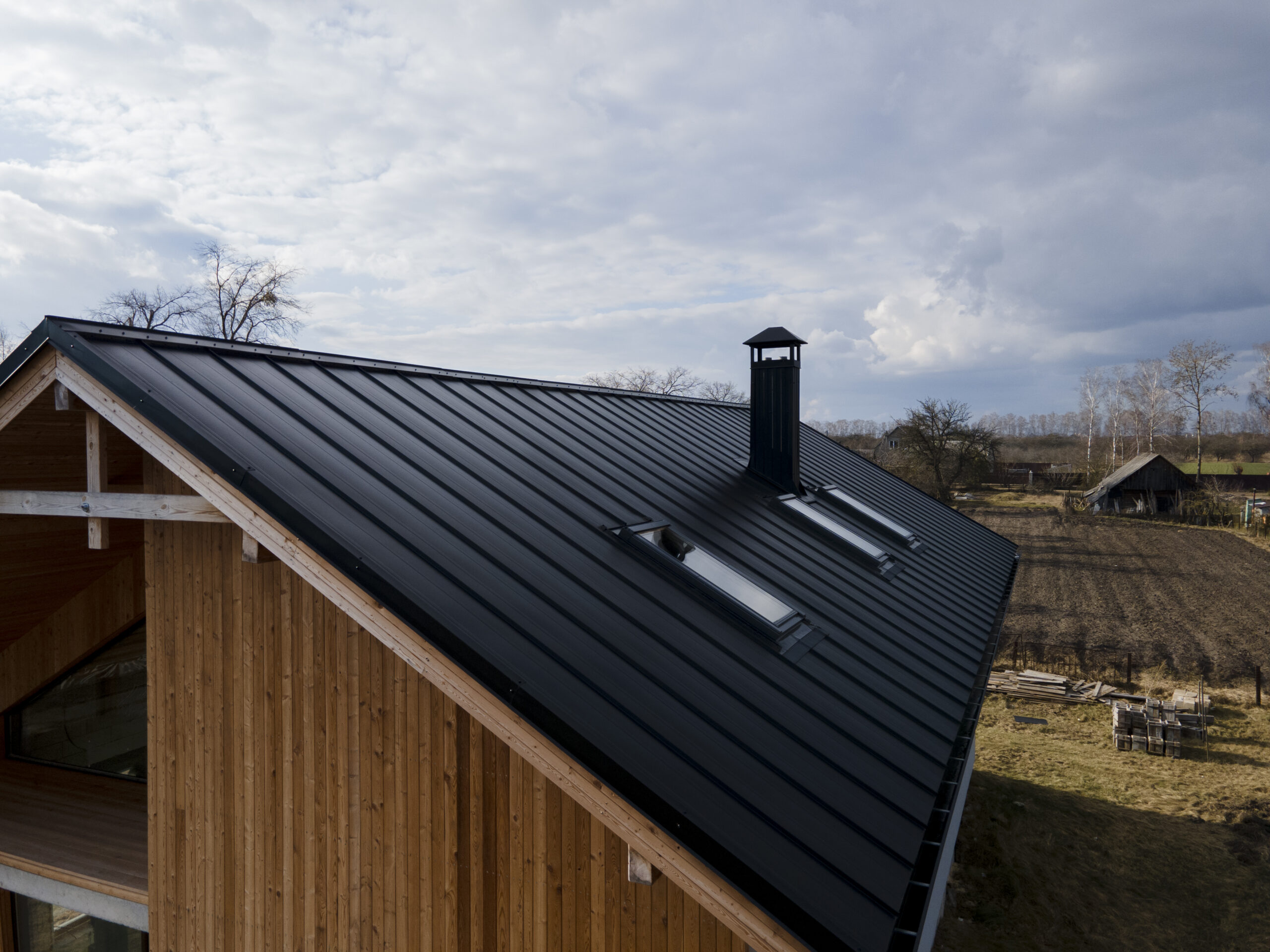

Why Rain Gutters Matter More Than Most People Realize
Water is the number one enemy of any home structure. Without a functioning gutter system, rainwater falls off the roof edge and lands right at the base of the house. Over time, that kind of repeated exposure causes serious foundation damage, basement flooding, and soil erosion around the perimeter. Gutters channel water away from the structure and direct it through downspouts to a safe discharge point, keeping the foundation dry and intact. It sounds straightforward, but the way a system is installed determines whether it actually works or just looks like it does.
Choosing the Right Gutter Material
Not every home needs the same solution, and gutter material is one of the first decisions in any installation project. Aluminum is the most common pick because it is lightweight, rust-resistant, and holds up well across most climates. Steel gutters are heavier and better suited for areas with extreme weather or high debris volume. Vinyl works in mild climates and tends to cost less upfront, though it can crack in colder temperatures over time. Copper is a premium option that lasts for decades and develops a distinct patina as it ages. Each material comes with trade-offs, so the right call depends on the roof type, local weather patterns, and the overall budget for the project.
What a Professional Gutter Installation Actually Involves
This is where experience matters. A lot of homeowners assume gutter installation is a simple weekend project, but several steps require precision if the system is going to hold up for years. The installer begins by measuring the full length of each roofline and mapping out where downspouts need to go. From there, a chalk line is snapped along the fascia to mark the slope. Rain gutters need to pitch slightly toward the downspout outlet, typically around a quarter inch of drop for every ten feet of length. Without that pitch, water sits in the gutter and leads to corrosion, leaks, and eventually sagging sections.
Gutter sections are cut to fit using snips and joined at the seams with a waterproof seal. Brackets are fastened along the fascia at regular intervals to handle the weight of the gutter when it is full of water or debris. End caps are placed on open ends, elbows are fitted at the base of each downspout to redirect flow away from the foundation, and the drip edge along the roof line is checked to confirm water moves into the gutter rather than behind it.
The Role of Downspouts and Slope
Downspouts are just as critical as the gutters themselves, and they tend to get overlooked during planning. If a downspout is undersized for the roof area it is draining, it backs up during heavy rain, and the whole system overflows. A general rule is one downspout for every 30 to 40 linear feet of gutter, though steeper pitches or larger roof surfaces may need more. Placement matters as well. As a general best practice, downspouts should discharge water several feet from the foundation, either through an extender or an underground drain line. Skipping that step is one of the more common reasons homeowners end up with water damage, even after putting money into new gutters.
Slope is the other factor that determines whether the system does its job. Too flat, and water pools and stagnates. Too steep and it rushes past the outlet and spills over the edge. Finding that balance takes a trained eye and careful measuring during the installation process.
What the Process Looks Like From Start to Finish
Here is a general breakdown of what a standard gutter installation covers:
- Measuring the roofline and marking downspout locations
- Snapping a chalk line along the fascia to set the correct slope
- Cutting gutter sections to length and joining them with sealed joints
- Fastening brackets to the fascia at consistent intervals
- Installing end caps, elbows, and downspout sections
- Checking the drip edge and confirming proper water flow direction
The timeline depends on the size of the home and how accessible the roofline is. Smaller, single-story homes generally wrap up faster, while two-story homes or those with more complex rooflines take longer and require additional equipment for safe access at height.
Signs Your Current Gutters Should Be Replaced
Repairs can only go so far. If gutters are pulling away from the fascia, showing visible cracks, or have significant rust and corrosion, a full replacement is usually the more cost-effective path. The same applies to gutters that sag in the center or overflow consistently during moderate rainfall. Pooling water near the foundation after a storm is another clear sign the current system is not moving water the way it should be.
If you’ve purchased a home without gutters or your gutters need to be completely replaced, you require a gutter installation. Pro Choice Home Solutions is a leading expert in gutter installation services. Once you’ve called us to take care of your gutter installation, we’ll come out to your property for an evaluation and to discuss the details of the job. Our teams will measure the area surrounding the roof and determine where to place downspouts. We’ll also talk through the gutter products we have available. You can choose the color and style of gutters that best match your preferences. Once this has been decided, we’ll get to work.
Getting Started With New Gutters
If you have been putting off dealing with a failing gutter system, getting a professional assessment sooner rather than later is worth it. Catching problems early is almost always cheaper than addressing the foundation, fascia, or structural damage that comes from ignoring them. Pro Choice Home Solutions has worked with homeowners across Crawfordsville, IN, on a range of residential gutter projects, and the focus stays on getting the details right so the system holds up through years of use.
Gutter installations must be done carefully to ensure that the water flows easily from the roof to the gutters and directly to the downspouts. With our experience and expertise, we can make sure this happens. We also install downspouts, either connecting them with a drain or to an area of the yard where drainage can occur.
Reach out to Pro Choice Home Solutions by phone at (765) 365-5323 or by email at info@pro-choicehomesolutions.com to get a quote or talk through what type of gutter system fits your home. The office is at 1904 Indianapolis Rd, Crawfordsville, IN 47933.
Other Services We Offer: