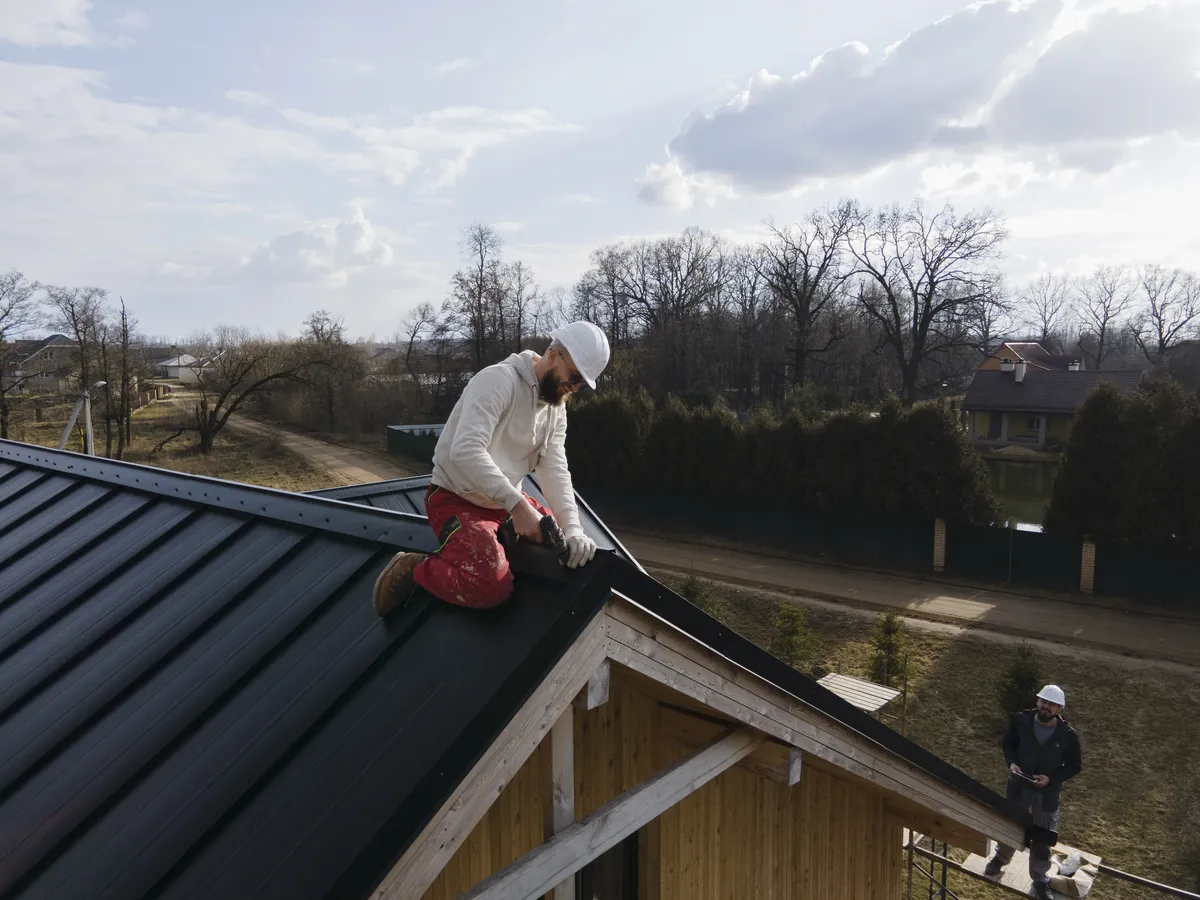
Essential Tips for Roof Maintenance in Crawfordsville, IN
Keeping your roof in good shape in Crawfordsville, IN, isn’t just about looks. It actually matters for your wallet and your sanity, too. Regular inspections help spot leaks, worn shingles, and flashing problems before they get out of hand.
And gutters? Oh, you really want them to flow smoothly. Stagnant water can sneak into spots you didn’t even notice. Plus, proper attic ventilation kind of saves your roof from the crazy Indiana temperature swings.
Honestly, acting fast on repairs now can prevent a ton of headaches later. A bit of moss or algae isn’t just ugly; it can also sneak in moisture that ruins your shingles. And sometimes, calling in a reliable roofing company is just easier than stressing over it all yourself.
Roof maintenance might feel like a chore, but little efforts now mean fewer surprises in the future. Just checking things every few months keeps your roof strong and your home safer. You know, it’s that “a stitch in time” idea; tiny fixes today can stop massive problems tomorrow.
Roof Inspection
When inspecting your roof in Crawfordsville, IN, take it slow and be thorough. Look over the shingles for cracks, curling, or missing pieces. Check for leaks inside, too, like water stains or peeling paint on ceilings. The flashing around chimneys, vents, and skylights deserves a close look because those are common trouble spots.
You also want to peek at your gutters during inspection, as they often show problems before anything else. Even little issues can snowball if ignored. A careful, regular inspection helps you catch things early, avoiding bigger repairs down the line. And yeah, sometimes you just need the help of Crawfordsville roofing specialists for a proper look; they see stuff you’d miss from the ground.
Cleaning Gutters
Gutters are kind of the unsung heroes of roof maintenance. If they’re clogged with leaves or debris, water can back up and cause serious damage. Clear them out regularly, especially in the fall when leaves are falling fast.
Check the downspouts too. Make sure water runs freely away from your home. If you notice rust, sagging, or holes, fix them before they get worse. A little gutter care now saves a lot of hassle later.
Attic Ventilation
Attic ventilation might not be the first thing you think about, but it’s super important. It helps regulate temperature, preventing heat buildup in summer and moisture in winter. That moisture is sneaky; it can warp shingles and encourage mold growth.
Make sure vents aren’t blocked by debris or insulation. You usually need a mix of soffit vents and ridge vents so air flows properly. A well-vented attic keeps your roof lasting longer and your house more comfortable, kind of like an invisible shield.
Repairing Damage
Fixing damage early is just smart. Look for missing or cracked shingles, leaks, or sagging spots. Ignoring them usually makes things worse.
Act quickly. Even small leaks can soak into wood and insulation. For bigger problems, hiring a reliable roofing company is worth it. They make sure repairs hold up and don’t cause more headaches later. Sometimes it’s tempting to DIY, but roofs are tricky. A pro can save you time, money, and stress.
Moss and Algae Removal
Moss and algae might look harmless, but they trap moisture against your shingles. That moisture can damage your roof over time. A gentle scrub with water and a little bleach solution usually does the trick. Just don’t go pressure-washing; high pressure can strip shingles.
Trimming overhanging branches helps prevent moss growth, too. Keep an eye out and remove growth promptly. Little steps like this extend your roof’s life and keep it looking decent.
Professional Inspections
Even if you’re doing regular checks, professional inspections are a good safety net. A qualified roofer should check your roof at least once a year. They catch problems you might miss and help preserve warranties.
Early detection avoids huge repair bills. Professionals also notice hazards that could be dangerous, like weak spots or rotting wood. Paying for a yearly inspection feels a bit like insurance; you hope you never need it, but you’ll be glad it’s there.
Related Topics: